The drainage system that appears to work well in normal weather can be exposed in a devastating storm. Parking lots are flooded. Detention ponds flood too quickly. Access roads are dangerous. Low-lying areas are the first to build up water. In many instances it’s not the rain that is causing these problems. It’s that the place lacks the right system to move stormwater effectively when gravity alone is not enough.
A stormwater lift station becomes essential. These systems collect and push out stormwater from areas where it naturally builds up. They also help safeguard the roads, buildings, utilities and outdoor space. A lift station is necessary for any type of project regardless of whether it is residential, commercial, municipal or industrial. It will ensure that the facility is operational during and following a storm.
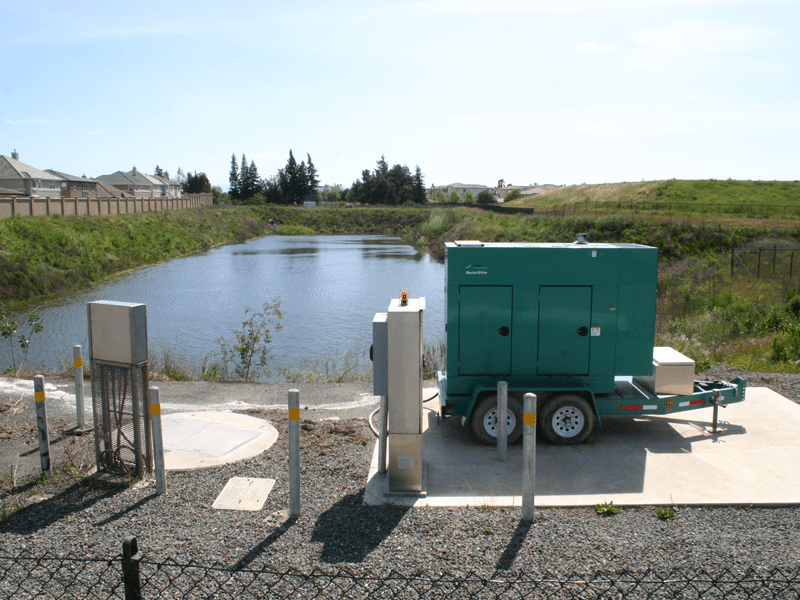
Stormwater management should be designed to fit the site.
Each property has its own way of handling runoff. Retail centres with big parking lots are different from residential subdivisions, and don’t have the same needs as industrial sites or municipal drainage projects. Flow rates, site elevations as well as detention requirements and discharge conditions all affect how a stormwater management plan is designed.
Romtec Utilities does not approach stormwater pumping as a standard package. Every system is developed according to the specific pumping needs of a site that is used for managing flooding, removing detention ponds or wetlands, managing the runoff from a property that is developed or for supporting a massive municipal drainage network. The best solution is determined by how much water must be pumped, the speed at which it must move and the location it has to move to.
Stormwater runoff pumps are much more than one pump in a vault
A solid stormwater runoff pump station requires more than high-powered machinery. It’s a synchronized system that integrates structural, mechanical and electrical components, with control to manage effectively and consistently massive amounts of stormwater. In order for the station to function effectively throughout its lifespan it is vital that all critical factors work in synergy. This includes precise pump sizing, strategic wet-well design, advanced controls, durable piping systems, resilient power systems that monitors in real time, as well as robust pipes.
The complete integration of systems makes the best stromwater systems designers stand out. The most effective designs don’t solve a single drainage issue, they adopt a proactive and long-term approach. Top engineers are constantly thinking about the ease of ongoing maintenance as well as the future requirements for the site and the maximum efficiency of operations. It is important to ensure that the system for pumping packages is able to perform under real-world conditions of severe storms instead of relying on ideal assumptions.
This precise planning is essential whether you’re dealing with flooding from torrential waters or designing high-pressure municipal networks, like clean water booster pump stations where system failure is not an option. Romtec Utilities designs stormwater systems using these realities in mind. They have a wide range of pumps that are specifically designed to meet the needs of different types of applications. The pumps are accompanied by documentation, training and startup help to ensure that the owner can manage the system.
Better planning creates better flood protection
A well-designed stormwater pumping station that is properly designed can lower risk of flooding, improve the site’s usability, and safeguard adjacent property from water damage. This can make a property secure by ensuring that water runoff is handled quickly and efficiently when major rain events occur.
It’s easy for people to ignore stormwater infrastructure until it goes down. A solid stormwater lift station is the most beneficial investment that a property owner or municipality can make to manage runoff effectively, rather than passively. With the right design and the right support, a strong stormwater management system helps keep a site safer, more functional, and better prepared for the realities of changing weather.