On the plate, a tortilla may seem fairly ordinary. Once the sandwich filling goes in, the foldable wrap itself can be easy to overlook. Yet choosing the right wrap can create a noticeable difference to the nutritional balance of a prepared meal.
If you are looking at tortilla calories, the lowest number alone does not tell the whole story. A useful comparison also asks whether the wrap provides the nutritional profile and texture you want and works with your usual meals.
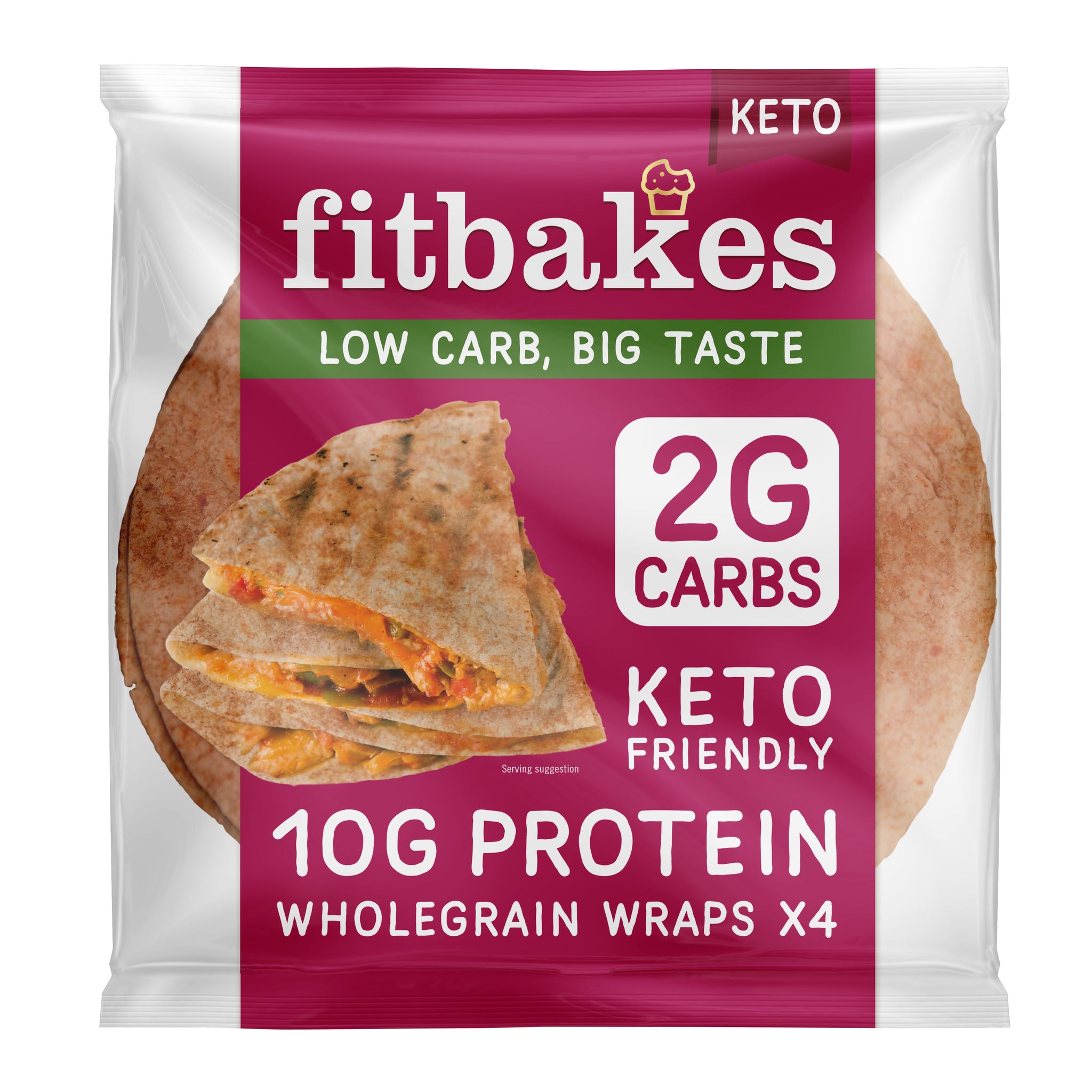
Image credit: fitbakes.co.uk
Comparing Wrap Calories: What the Figures Show
Search for “calories wrap tortilla” and you may find quite different values between products. Mission reports approximately 186 calories for a Wholemeal Wrap and around 125 for a Carb Balance wrap, showing the difference. These figures come from the manufacturer’s published nutritional information.
This example makes a case for looking at the specific wrap, in place of relying on general assumptions. A tortilla’s appearance does not reveal its calorie count: nutritional composition can differ substantially between products. Lower carbohydrate content and lower calorie content do not always go together.
What Happens When You Change the Wrap?
Think of a lunch made with grilled chicken, roasted sweet peppers, salad leaves, and a modest amount of yoghurt dressing. Next, swap the standard tortilla for one designed as a lower-carb option. The recipe ingredients inside stay familiar while the meal’s nutrition figures changes.
That is the kind of everyday adaptability Fitbakes Wholegrain Wraps are designed to offer. Fitbakes lists 2g of carbohydrates, 10g protein, and 10g fibre for each wholegrain wrap.
For people aiming to eat fewer carbohydrates without abandoning bread-based lunches, those manufacturer figures may be useful. For the precise calorie figure, consult the full nutritional information.
Understanding Two Important Nutrients
Protein and fibre are frequently mentioned together on food packaging, but they play distinct roles in a balanced diet. Protein is an important nutrient for the body’s normal tissue upkeep. Digestive health benefits from fibre, which can also contribute to a more satisfying meal. Fitbakes lists 10g of protein and 10g of fibre per wrap, making those two nutrients relevant to shoppers.
The rest of the wrap filling still matters when assessing the nutrition of your lunch. Vegetables and a suitable protein source produce a distinct meal from a filled wrap filled with rich dressings.
A Better Way to Cook Your Wrap
You can change the total calories in the final dish through how you prepare the wrap, without buying another tortilla. Toasting without oil avoids added cooking fat, while frying a tortilla in oil increases the energy added during preparation. Fitbakes recommends lightly toasting its wholegrain wraps for approximately 30 seconds to develop a richer malty flavour.
A simple lunch could start with a warmed tortilla filled with grilled mushrooms, spinach, and a touch of cheese. Alternatively, use it as a thin flatbread topped with tomato, herbs, and roasted vegetables. These serving ideas keep preparation manageable while giving you different ways to use the same wrap.
Look Beyond the Tortilla
It’s easy to spend time comparing tortilla labels while overlooking the ingredients placed inside them.
The calorie count of a meal also reflects dressings, cheese, spreads, and cooking fats. For anyone tracking calories, it makes more sense to count the entire dish than to focus on the wrap alone.
If you’re following a low-carbohydrate diet, check the carbohydrate content of the filling as well. Looking at all the components helps you understand the whole meal.
Finding a Tortilla That Fits Your Meals
A useful calories wrap tortilla should work with your favourite recipes, suit your nutritional priorities, and be enjoyable enough to use regularly. For those seeking a plant-based, lower-carb alternative, Fitbakes Wholegrain Wraps come with stated protein and fibre values.
An informed choice starts with reviewing ingredients and allergens, serving size, and the complete nutrition label. The wrap showing the lowest number on the packet is not always the most useful choice. It’s the one that helps you prepare meals that suit your usual preferences.