The park district has endorsed the construction of a new public toilet. The restroom is located in an excellent location and the team is set for the next stage.
The contractor then begins to examine the location. Drainage is a problem at the proposed site. There are possibilities that utilities may be further away than anticipated. Delivery vehicles may have difficulty to access the installation site and the chosen construction layout isn’t in line with the space available.
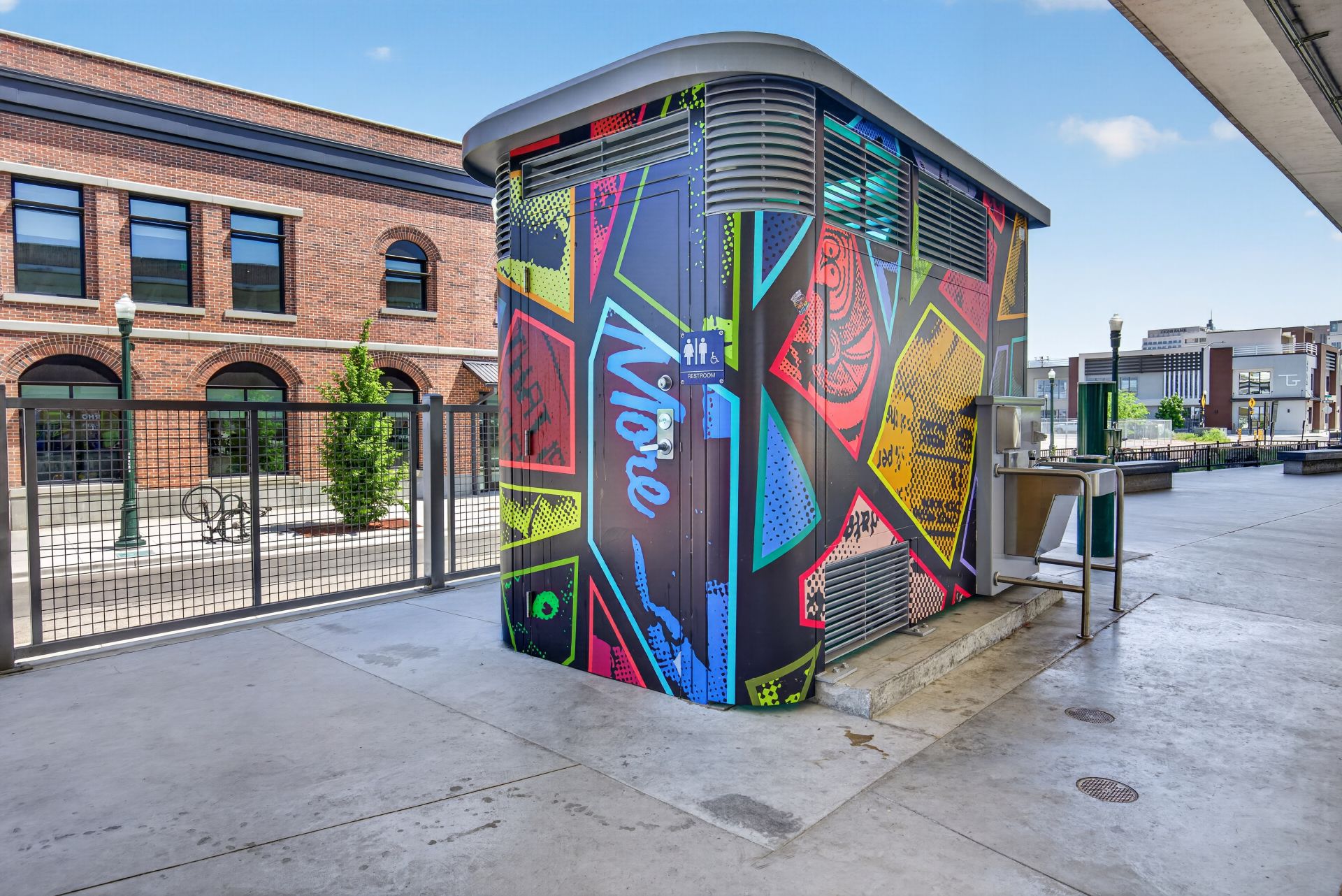
Image credit: romtec.com
None of these concerns necessarily suggests that the project will not proceed. This can result in delays, redesigns, and construction delays. If the site’s conditions dictate the building’s design from the very beginning this makes it simpler for builders and public agencies to manage restroom projects.
A Building Drawing Doesn’t Tell the whole story
Before deciding on the prefabricated restroom facilities for parks, the project team should know what the surrounding property can be capable of accommodating. The property’s slope and soil condition, drainage access to utilities, as well as access to construction sites can all influence installation.
For instance, a bathroom located near a play area may require connections to the existing sewer and water infrastructure. If the infrastructure isn’t readily available or cost prohibitive to expand, a different approach may be needed.
The foundation and location of the building must also account for any applicable codes, accessibility rules and site-specific requirements. It’s possible that a conventional building layout looks good on paper but will require major adjustments after these factors have been considered.
Urban Projects are subject to their own limitations in terms of construction
Installing sidewalk restrooms involves more than finding enough space for a compact structure. On sidewalks that are public there are usually underground utilities, pedestrian paths as well as street furniture and entrances nearby. Construction projects may also require collaboration with local authorities.
If the toilet is situated too close to a utility line, it may cause foundation issues or excavation. Accessibility is a further consideration. The entrance and the surrounding area must be planned in accordance with the requirements of the time.
Romtec has ADA-specific, custom-designed single-user bathroom units, which include the option of a sink and door location. The design options provide project teams the flexibility to accommodate to limitations on the site and plan for the practical use of public restrooms.
No sewer Connection? You should think about alternatives
Remote recreation sites pose a unique infrastructure issue. The trailhead could be a few miles from the closest sewer outlet, making traditional flush toilets not practical.
Vault toilets offer an alternative to toilets without water in some locations. They do not rely on the sewer to transfer wastewater, but instead store it in a holding tank, which must be maintained regularly.
A vaulted toilet is be a good idea but it will not completely eliminate the need to design your site. The project still needs suitable conditions for the ground, secure access to the equipment to be used for servicing, proper ventilation, and compliance with any applicable environmental regulations.
Romtec develops water-free vault toilets with Sweet-Smelling Technologies (SST) the technology which is developed to eliminate smells through ventilation. The early selection of a sanitation facility can make it easier to save money on building upgrades.
Construction Coordination Begins Before Delivery
A common misconception about prefabricated construction is that most construction decisions are already made by the company that manufactured it. In reality coordination is still necessary for site preparation, utility connections, accessibility and local approvals. Romtec’s strategy for these projects is to build custom-designed kits and design assistance rather than relying on fixed structures.
The company collaborates with landscape contractors and architects to ensure that building specifications conform to site-specific requirements. This technique is particularly helpful when bathrooms must conform to the style of a particular architectural design or accommodate unique property requirements.
The most important questions are the ones that result in more successful projects
Before approving a restroom purchase owners must determine how the facility will receive utilities, how construction equipment will access the location and what approvals are needed.
The building should be constructed in a way that doesn’t require any major adjustments to the infrastructure.
The above questions might not seem as intriguing than choosing exterior finishes or architectural features, but they have a more of an impact on project costs and project schedule.
Public restrooms that have been successful don’t just finish the construction on time. A successful project for public restrooms involves evaluating the construction, the infrastructure of the location as well as the design and usage. The finished bathroom will be more effective when these decisions are taken in advance.